6 Best Red Dot for Beretta Wilson Combat in 2026: Mounting & Compatibility
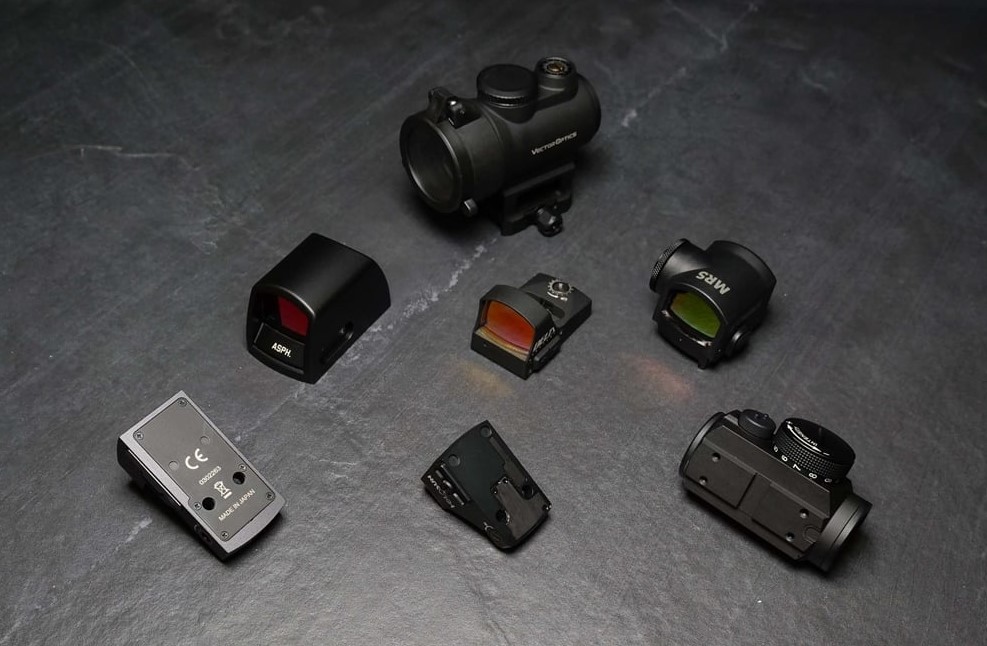
Finding the best red dot for Beretta Wilson Combat pistols is mostly a mounting and compatibility problem before it is an optic problem. I learned that quickly after trying different pistol dots on Beretta 92-pattern slides, including Wilson Combat-tuned Berettas where the slide profile, optic plate system, and sight height matter a lot.
For 2026, I would not pick a red dot for a Beretta Wilson Combat just because it is popular. I want a dot that tracks cleanly in recoil, holds zero, has controls I can run without fighting the pistol, and fits the available mounting solution without turning the gun into an awkward brick. Full-size and compact Beretta Wilson Combat models usually work best with durable pistol optics in RMR, DeltaPoint Pro, RMS/RMSc, or enclosed-emitter footprints, depending on the slide cut or plate being used.
Below are the six red dots I would consider first for a Beretta Wilson Combat setup.
Quick Summary
My strongest overall pick is the Trijicon RMR Type 2 because it has the durability, footprint support, and proven pistol performance that make sense on a hard-use Beretta Wilson Combat. The Holosun 507C-X2 is my value-focused favorite because it gives a lot of reticle flexibility for the money. For competition or fast range work, I like the Trijicon SRO and Holosun HE507COMP because their larger windows make dot tracking easier. If I wanted a more enclosed, duty-style setup, I would look hard at the Aimpoint ACRO P-2 or Steiner MPS, though both require more attention to plate height and holster fit.
Top Product List
Trijicon RMR Type 2 — Best for overall Beretta Wilson Combat use
HOLOSUN 507C-X2 — Best for value and reticle versatility
Trijicon SRO — Best for competition and range speed
Holosun HE507COMP — Best for big-window performance
Aimpoint ACRO P-2 — Best for enclosed-emitter durability
Steiner MPS — Best enclosed alternative for duty setups
6 Best Red Dot for Beretta Wilson Combat in 2026: Mounting & Compatibility
Trijicon RMR Type 2
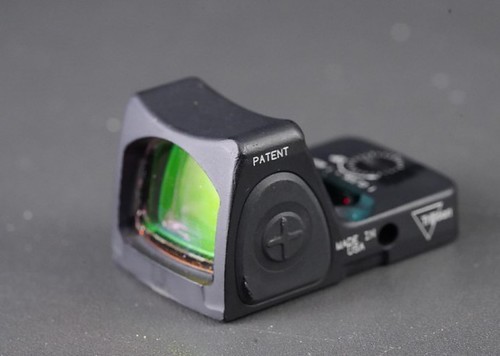
The Trijicon RMR Type 2 is the optic I trust most when I want a Beretta Wilson Combat build to stay practical, durable, and easy to support with mounting plates. It is compact, rugged, and has one of the most common pistol optic footprints in the industry.
Footprint: Trijicon RMR
Reticle: Red dot
Housing style: Open emitter
Best use: Carry, duty, training, and all-around pistol use
Battery access: Bottom-loading battery
Mounting type: Plate or direct cut, depending on slide system
Pros
Extremely proven pistol optic
Compact enough for Beretta slide proportions
Excellent aftermarket plate support
Strong housing design
Good balance of durability and size
Cons
Battery change usually requires optic removal
Window is smaller than competition-style dots
Costs more than many value optics
My personal experience with the product
The RMR Type 2 feels right on a Beretta Wilson Combat because it does not overpower the pistol. When I present the gun, the dot sits naturally in the window once the plate height is sorted out. I also like how the optic handles recoil; the dot has a crisp, predictable bounce instead of feeling like it is floating around the glass.
On Beretta 92-style pistols, I pay close attention to the plate and screw length. A secure RMR plate matters more than chasing the lowest possible height. Once mounted correctly, this is the red dot I would choose if I wanted one optic to handle range days, classes, home defense, and serious use.
Summary of online customer feedback
Customer feedback on the RMR Type 2 usually centers on durability and reliability. Many shooters like it because it keeps working after heavy round counts, recoil, and rough handling. The most common complaints are the smaller window and the need to remove the optic for battery replacement, but most users accept those tradeoffs for the rugged construction.
Mounting explanation
The Trijicon RMR Type 2 uses the RMR footprint. On most Beretta Wilson Combat pistols, it will not simply clamp directly onto the slide unless the slide has been cut specifically for the RMR footprint. With a Beretta optic-ready or custom-cut Wilson Combat Beretta setup, it usually mounts through an RMR-compatible adapter plate or dedicated optic plate. I would confirm plate compatibility before ordering and use proper thread locker and torque values.
➤➤➤ Click Here to Check Price on Amazon➤➤➤ Click Here to Check Price on OpticsPlanet➤➤➤ Click Here to Check Price on EuroOptic
HOLOSUN 507C-X2
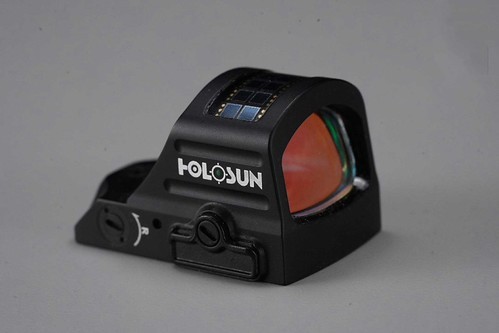
The HOLOSUN 507C-X2 is my favorite value pick for a Beretta Wilson Combat because it gives me a familiar RMR-style mounting footprint, multiple reticle options, and very practical controls. It is the dot I would recommend to someone who wants strong performance without paying premium-duty-optic money.
Footprint: RMR-style
Reticle: Multi-reticle system
Housing style: Open emitter
Best use: Carry, range training, home defense, and value builds
Battery access: Side-loading battery tray
Mounting type: Plate or direct cut, depending on slide system
Pros
Excellent feature set for the price
RMR-style footprint support
Side battery tray
Multiple reticle choices
Easy brightness controls
Cons
Not as impact-proven as the RMR
Open emitter can collect debris
Window is useful but not as large as competition optics
My personal experience with the product
I like the 507C-X2 on pistols where I want a practical balance between speed and cost. On a Beretta Wilson Combat, the reticle options are especially useful. I tend to use a simple dot for accuracy work, but the circle-dot reticle can be faster when I am doing close-range drills or working from an imperfect draw.
The side battery tray is a real advantage. I do not like disturbing zero just to replace a battery, especially on a pistol where the optic plate setup may already be more involved than a direct-milled striker-fired slide.
Summary of online customer feedback
Most online customer feedback is positive because shooters appreciate the features, battery access, and value. A lot of users mention the reticle system as the main reason they choose it over simpler red dots. Critical feedback usually comes from shooters who prefer the bombproof reputation of the RMR or who want a fully enclosed emitter.
Mounting explanation
The HOLOSUN 507C-X2 uses an RMR-style footprint, so it commonly works with RMR-pattern plates. On a Beretta Wilson Combat, it usually requires an RMR-compatible adapter plate unless the slide has been specifically milled for that footprint. I would not assume direct fit without checking the exact slide cut, optic plate, and screw pattern.
➤➤➤ Click Here to Check Price on Amazon➤➤➤ Click Here to Check Price on OpticsPlanet➤➤➤ Click Here to Check Price on EuroOptic
Trijicon SRO
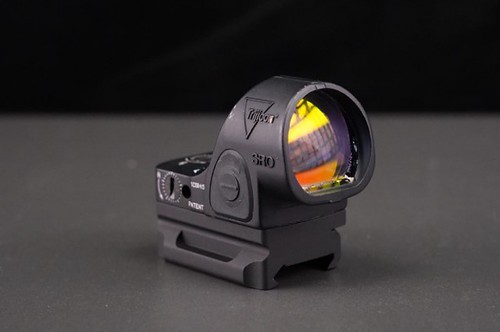
The Trijicon SRO is the red dot I like best when speed and visibility matter more than maximum duty-grade toughness. On a Beretta Wilson Combat used mostly for range work, competition, or fast target transitions, the large round window makes the dot easier to find and track.
Footprint: Trijicon RMR
Reticle: Red dot
Housing style: Open emitter
Best use: Competition, range, and fast shooting
Battery access: Top-loading battery
Mounting type: Plate or direct cut, depending on slide system
Pros
Large, easy-to-see window
Fast dot acquisition
Top-loading battery
Uses RMR footprint
Excellent for competition-style shooting
Cons
Less ideal for rough duty use than the RMR
Larger housing may affect holster fit
Can sit visually large on a Beretta slide
My personal experience with the product
The SRO makes a Beretta Wilson Combat feel fast. The first thing I notice is how forgiving the window is. If my draw is slightly off, I can still pick up the dot quickly, and during recoil the dot is easier for me to track than it is in smaller-window optics.
I would choose the SRO for a range-focused Beretta Wilson Combat, especially a pistol set up for steel, USPSA-style shooting, or high-volume practice. I would be more cautious using it for rough carry or duty because the larger front lens area is not as protected as an RMR-style housing.
Summary of online customer feedback
Customer feedback often praises the SRO for its large window, clear glass, and speed. Many competitive pistol shooters like how easy it is to track the dot during recoil. The main criticism is durability compared with the RMR, especially for hard-duty use or pistols that may get knocked around.
Mounting explanation
The Trijicon SRO uses the RMR footprint, so it can often use the same RMR-compatible Beretta optic plate as the RMR Type 2. It usually requires an adapter plate unless the slide is already cut for RMR. Because the SRO has a larger round body, I would also check clearance around the ejection port area and confirm holster compatibility.
➤➤➤ Click Here to Check Price on Amazon➤➤➤ Click Here to Check Price on OpticsPlanet➤➤➤ Click Here to Check Price on EuroOptic
Holosun HE507COMP
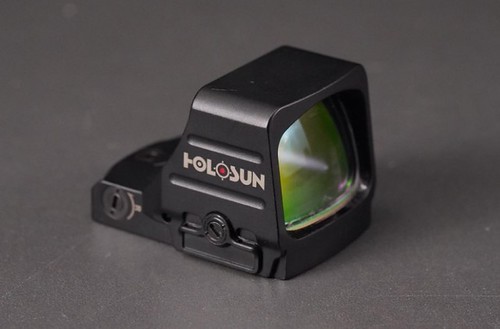
The Holosun HE507COMP is a strong pick when I want a big viewing window and modern reticle flexibility without jumping to a fully enclosed optic. It makes sense on a Beretta Wilson Combat that is being built for fast shooting, range use, or competition-style drills.
Footprint: RMR-style
Reticle: Competition multi-reticle system
Housing style: Open emitter
Best use: Competition, target transitions, and range work
Battery access: Side-loading battery tray
Mounting type: Plate or direct cut, depending on slide system
Pros
Large competition-oriented window
Flexible reticle system
Side battery access
RMR-style mounting support
Fast for transitions and recoil tracking
Cons
Larger than compact carry dots
Open emitter design
May require taller sights depending on plate height
My personal experience with the product
The HE507COMP gives me the kind of sight picture I want when I am pushing speed. On a Beretta Wilson Combat, the larger window pairs nicely with the smooth recoil impulse of the 92 platform. I find it easier to watch the dot lift and return, which helps me diagnose grip pressure and timing.
This would not be my first choice for deep concealment or a minimalist build, but for a Beretta Wilson Combat range pistol, it is one of the most enjoyable optics to shoot. It gives me a lot of performance without feeling overly fragile or overly complicated.
Summary of online customer feedback
Online customer feedback is usually enthusiastic about the large window and reticle choices. Shooters who run competition-style pistols often like the visibility and speed. The most common concerns are size, holster fit, and whether the optic is necessary for people who only need a simple carry dot.
Mounting explanation
The Holosun HE507COMP uses an RMR-style footprint. On a Beretta Wilson Combat, it will generally require an RMR-compatible optic plate unless the slide has a direct RMR-style cut. Since this optic is larger than a standard 507C, I would check plate fit, screw length, rear sight clearance, and holster space before committing to it.
➤➤➤ Click Here to Check Price on Amazon➤➤➤ Click Here to Check Price on OpticsPlanet➤➤➤ Click Here to Check Price on EuroOptic
Aimpoint ACRO P-2
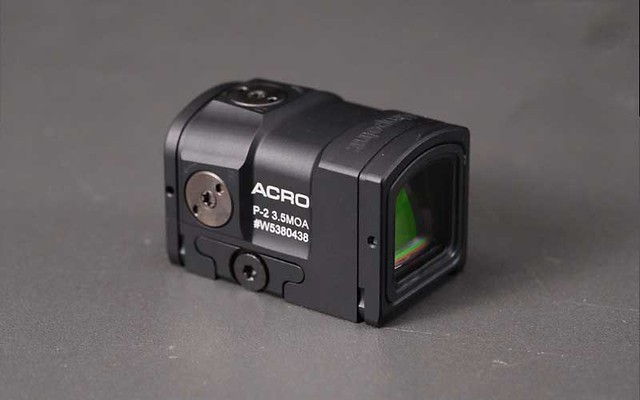
The Aimpoint ACRO P-2 is the enclosed-emitter optic I would choose when reliability in bad weather, dust, lint, and hard use matters more than having the lowest or lightest setup. It brings rifle-optic toughness into a pistol-sized package, but the mounting system must be planned carefully on a Beretta Wilson Combat.
Footprint: Aimpoint ACRO
Reticle: Red dot
Housing style: Enclosed emitter
Best use: Duty, defensive use, harsh conditions, and high round counts
Battery access: Side battery compartment
Mounting type: ACRO-compatible plate or cut
Pros
Fully enclosed emitter
Excellent durability reputation
Strong choice for defensive use
Side battery access
Handles debris and weather better than open dots
Cons
Requires ACRO-specific mounting support
Bulkier than open-emitter pistol dots
Higher cost
Holster compatibility can be more limited
My personal experience with the product
The ACRO P-2 changes the feel of a pistol because it is more box-shaped than an RMR or 507C. On a Beretta Wilson Combat, I like it most for a serious-use build where I am willing to accept more size for a sealed emitter. It gives me confidence when the pistol may be exposed to sweat, rain, dust, or carry lint.
The viewing window is not giant, but it is clean and consistent. I find the dot easy to use once the presentation is dialed in. The key is getting the correct mounting plate because an ACRO on the wrong plate height can make the pistol feel taller than necessary.
Summary of online customer feedback
Customer feedback commonly highlights the ACRO P-2’s ruggedness, battery life, and enclosed design. Many shooters choose it specifically to avoid emitter obstruction problems. The main complaints are price, size, and the need for a dedicated ACRO mounting solution.
Mounting explanation
The Aimpoint ACRO P-2 does not use the RMR footprint. It requires an ACRO-compatible cut or ACRO adapter plate. On a Beretta Wilson Combat, that means it will usually require a specific ACRO plate rather than mounting directly to an RMR plate. I would verify that the plate is made for the Beretta slide system and confirm holster clearance before buying.
➤➤➤ Click Here to Check Price on Amazon➤➤➤ Click Here to Check Price on OpticsPlanet➤➤➤ Click Here to Check Price on EuroOptic
Steiner MPS
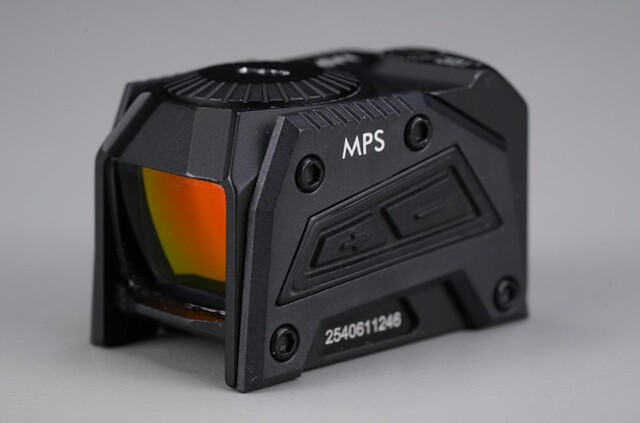
The Steiner MPS is another enclosed-emitter option that fits well for shooters who want a compact, tough, duty-leaning optic. I like it as an alternative to the ACRO P-2 when I want a sealed pistol optic but prefer a slightly different window feel and control layout.
Footprint: ACRO-style mounting interface
Reticle: Red dot
Housing style: Enclosed emitter
Best use: Duty, defensive use, wet conditions, and rugged pistol builds
Battery access: Top/side-accessible design depending on configuration
Mounting type: ACRO-compatible plate or adapter
Pros
Enclosed emitter protects the dot source
Rugged housing
Compact for an enclosed optic
Good defensive-use option
Strong choice for dirty or wet environments
Cons
Requires compatible mounting plate
Not as universally supported as RMR-footprint optics
Bulkier than small open-emitter dots
May need holster adjustment
My personal experience with the product
The MPS feels sturdy and purpose-built. On a Beretta Wilson Combat, I would use it for a practical defensive pistol rather than a pure competition setup. The enclosed emitter gives me peace of mind, especially if the gun is carried or used outdoors where lint, moisture, or debris can get into an open optic.
Compared with a large competition optic, the MPS is not about having the biggest window. It is about having a sealed, rugged sight picture that stays usable when conditions get messy. That makes it a smart option for a serious Beretta Wilson Combat build.
Summary of online customer feedback
Online customer feedback generally praises the Steiner MPS for its durable enclosed design and compact shape. Shooters who like it often compare it favorably to other enclosed pistol optics. The most common concerns involve mounting plate availability, optic height, and making sure holsters fit the squared housing.
Mounting explanation
The Steiner MPS generally uses an ACRO-style mounting interface, so it needs an ACRO-compatible plate or adapter on a Beretta Wilson Combat. It will not mount directly to an RMR-pattern plate. I would check the exact Beretta optic plate system, screw engagement, and sight-height requirements before installing it.
➤➤➤ Click Here to Check Price on Amazon➤➤➤ Click Here to Check Price on OpticsPlanet➤➤➤ Click Here to Check Price on EuroOptic
How to Choose the Right Red Dot Sight
When I choose a red dot for a Beretta Wilson Combat, I start with the mounting system. The Beretta 92-style slide is not the same as a flat striker-fired pistol slide, so plate design, optic height, and screw fit matter. A great optic on the wrong plate can feel clumsy, sit too high, or lose zero.
The first thing I check is footprint. RMR-pattern optics like the Trijicon RMR Type 2, Trijicon SRO, HOLOSUN 507C-X2, and Holosun HE507COMP are usually the easiest to support because RMR plates are common. ACRO-style enclosed optics like the Aimpoint ACRO P-2 and Steiner MPS need a different plate, so I make sure that plate exists for the exact Beretta Wilson Combat slide setup.
Next, I think about use case. For carry and serious defensive use, I prefer a compact, rugged optic like the RMR Type 2 or an enclosed emitter like the ACRO P-2. For competition or fast range shooting, I prefer a larger window like the SRO or HE507COMP because the dot is easier to recover during recoil.
Window size also matters. A bigger window helps with speed, especially on a smooth-shooting Beretta, but it can add bulk. A smaller optic may conceal better and fit more holsters, but it requires a cleaner presentation.
Battery access is another practical detail. Top or side battery access is convenient because I do not have to remove the optic. Bottom-loading optics can still be excellent, but I make sure I confirm zero after battery changes.
Finally, I check iron sight compatibility. Depending on the optic plate height, the factory sights may not co-witness. For a Beretta Wilson Combat that I use seriously, I want backup sights that are visible enough to confirm alignment without cluttering the window.
FAQs
What footprint is best for a Beretta Wilson Combat red dot?
For most shooters, I think the RMR footprint is the safest choice because it has broad plate support and works with excellent optics like the Trijicon RMR Type 2, Trijicon SRO, HOLOSUN 507C-X2, and Holosun HE507COMP.
Can I mount a red dot directly to a Beretta Wilson Combat slide?
Only if the slide is cut specifically for that optic footprint. In many cases, a Beretta Wilson Combat setup will need an adapter plate or optic-specific mounting plate.
Is an enclosed red dot worth it on a Beretta Wilson Combat?
Yes, if the pistol is used for carry, duty, home defense, or harsh conditions. I like enclosed optics like the Aimpoint ACRO P-2 and Steiner MPS because the emitter is protected from lint, rain, and debris.
Which red dot is best for competition on a Beretta Wilson Combat?
I would pick the Trijicon SRO or Holosun HE507COMP. Both have larger windows that make the dot easier to find and track during fast strings of fire.
Will I need taller sights with a red dot?
Often, yes. Depending on the optic plate and red dot height, standard sights may sit too low. I prefer checking the final mounted height before choosing suppressor-height or optic-height backup sights.
Conclusion
For most Beretta Wilson Combat pistols, the Trijicon RMR Type 2 is my top overall recommendation because it balances durability, size, mounting support, and real-world reliability better than anything else here. The HOLOSUN 507C-X2 is the best value pick, especially if you want reticle flexibility and easier battery access. For speed, the Trijicon SRO and Holosun HE507COMP are excellent range and competition choices. For harsh conditions or serious defensive use, the Aimpoint ACRO P-2 and Steiner MPS give me the enclosed-emitter confidence I want.
If I had to mount only one red dot on a Beretta Wilson Combat in 2026, I would choose the Trijicon RMR Type 2 first, then build the rest of the setup around a quality RMR-compatible plate, correct screws, and sights that work with the final optic height.