6 Best Red Dot For Action Shooting in 2026: Mounting & Compatibility
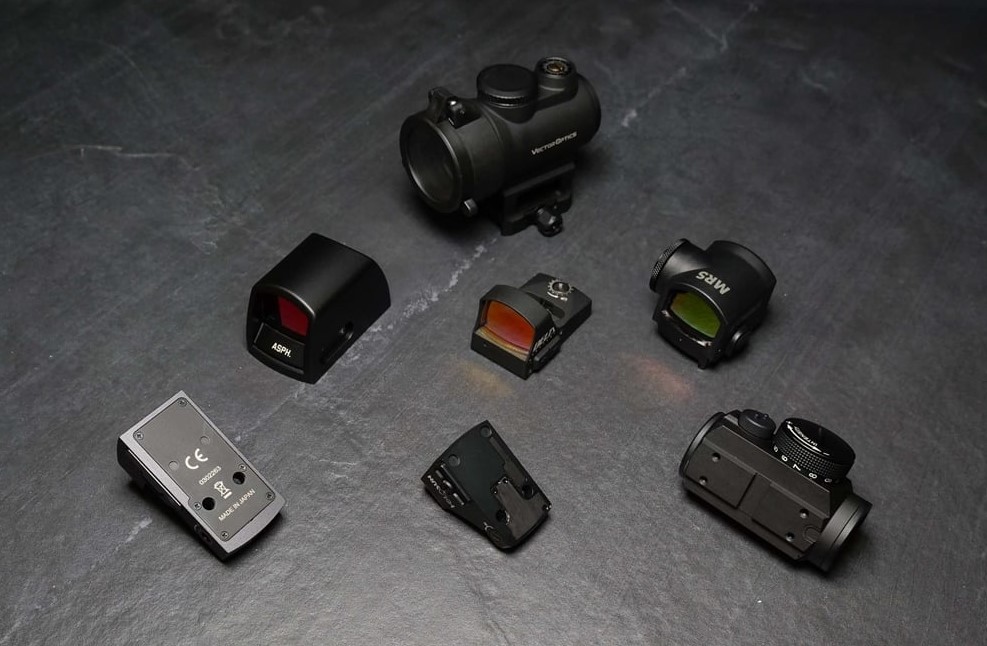
Action shooting rewards speed, consistency, and clean target transitions. When I’m running a stage, I want a red dot that gives me a fast visual index, a forgiving window, reliable brightness, and a mounting setup that does not turn into a parts hunt. For pistols, that usually means a large-window open emitter or a tough duty-style optic. For PCCs and carbines, it means a dot that stays visible while I’m moving hard between positions.
For this guide, I focused on red dots I would actually consider for action shooting, with special attention to mounting and compatibility. A great optic is not really great if it needs the wrong plate, sits too high, or forces an awkward presentation.
Quick Summary
My strongest overall pick is the Holosun HE507COMP because it gives me the biggest competitive advantage for pistol action shooting: a huge viewing window, useful reticle options, and practical compatibility with common RMR-footprint slides and plates. The Trijicon SRO is still one of my favorite pure competition optics, while the Leupold Deltapoint Pro and Sig Sauer Romeo3 are excellent for shooters who want a wide, fast sight picture. For ruggedness, the Trijicon RMR Type 2 remains the benchmark. The Vortex Venom is the value-friendly pick for lighter competition use.
Top Product List
Holosun HE507COMP — Best for overall action shooting performance
Trijicon SRO — Best for USPSA-style competition pistols
Trijicon RMR Type 2 — Best for rugged match-and-duty crossover use
Leupold Deltapoint Pro — Best for wide-window speed shooting
Sig Sauer Romeo3 — Best for open-style competition builds
Vortex Venom — Best for budget-conscious action shooters
6 Best Red Dot For Action Shooting in 2026: Mounting & Compatibility
Holosun HE507COMP
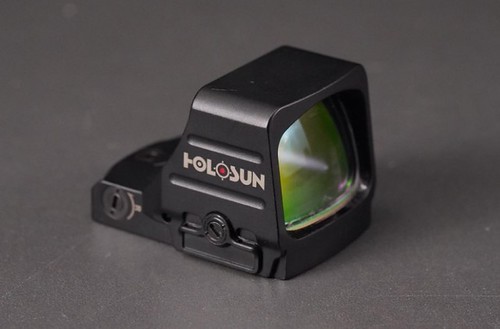
The Holosun HE507COMP is the red dot I would put at the top of the list for most action shooters because it feels purpose-built for fast pistol work. The big window makes it easier for me to find the reticle during imperfect draws, awkward leans, and fast exits from shooting positions.
Large competition-style window
Multi-reticle system
Open-emitter pistol optic
RMR-style footprint compatibility
Designed for speed-focused shooting
Pros
Very fast sight acquisition
Excellent reticle flexibility
Strong choice for competition pistols
Forgiving window during movement
Cons
Larger than concealed-carry optics
Open emitter can collect debris
May require a plate depending on slide cut
My personal experience with this optic is that the window size immediately reduces visual stress. I do not feel like I have to “hunt” for the dot as much when I break position or enter a target array aggressively. The circle-style reticle options are especially helpful when I want quick confirmation up close.
Online customer feedback is generally strong around the large window, reticle options, and match-friendly speed. Some shooters prefer a simpler dot-only optic, but many competition-focused users like the flexibility.
For mounting, the HE507COMP uses an RMR-style footprint, so it can mount directly to slides cut for that pattern. If the pistol uses another cut, such as MOS, DeltaPoint Pro, ACRO, or a proprietary system, I would use the correct adapter plate.
➤➤➤ Click Here to Check Price on Amazon➤➤➤ Click Here to Check Price on OpticsPlanet➤➤➤ Click Here to Check Price on EuroOptic
Trijicon SRO
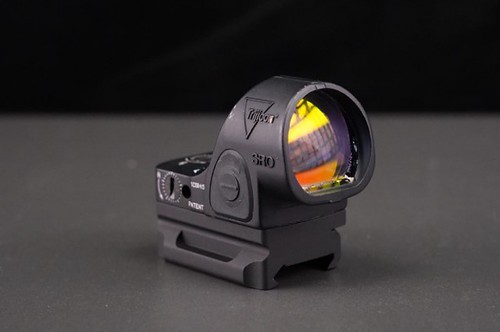
The Trijicon SRO is one of my favorite optics when pure pistol speed matters more than compactness. It gives a very open, easy-to-read sight picture, which is exactly what I want when shooting multiple targets on the clock.
Large round window
Open-emitter design
RMR footprint
Competition-oriented layout
Top-loading battery design
Pros
Extremely easy dot tracking
Excellent for transitions
Directly compatible with many RMR-cut setups
Clear competition-focused design
Cons
Less protected than enclosed optics
Overhang may matter on some pistols
Premium price point
My personal experience with the SRO is that it feels natural on a competition pistol. The window is generous, and I can call shots more easily during recoil because the dot is easier to keep in view.
Customer feedback often praises the SRO for speed, clarity, and competition usability. The main concern I see from shooters is durability compared with more enclosed or duty-focused optics.
For mounting, the SRO uses the Trijicon RMR footprint. It mounts directly to many RMR-cut slides and RMR-pattern mounts. On Glock MOS, SIG, CZ, Walther, and other plate-based systems, it usually needs the correct RMR adapter plate.
➤➤➤ Click Here to Check Price on Amazon➤➤➤ Click Here to Check Price on OpticsPlanet➤➤➤ Click Here to Check Price on EuroOptic
Trijicon RMR Type 2
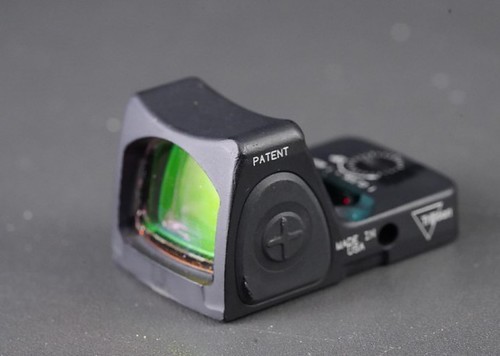
The Trijicon RMR Type 2 is not the biggest-window optic here, but I still trust it when I want a competition-capable sight that can handle hard use. For action shooting with a defensive or duty-style pistol, it makes a lot of sense.
Compact open-emitter optic
RMR footprint
Rugged housing design
Adjustable LED models available
Common plate and mount support
Pros
Excellent durability reputation
Massive mounting ecosystem
Works well on pistols, offset rifle mounts, and PCCs
Proven competition and duty crossover optic
Cons
Smaller window than competition-specific optics
Battery access may require optic removal on many setups
Less forgiving than the HE507COMP or SRO
My personal experience with the RMR Type 2 is that it rewards a consistent draw. When my presentation is clean, it is fast and precise. When my grip or index is sloppy, the smaller window makes that obvious.
Customer feedback usually centers on reliability, toughness, and long-term confidence. Shooters who complain about it usually want a larger window or easier battery access.
For mounting, the RMR Type 2 uses the RMR footprint, one of the most widely supported optic patterns. It can mount directly to RMR-cut slides, but plate systems require the correct RMR-compatible plate.
➤➤➤ Click Here to Check Price on Amazon➤➤➤ Click Here to Check Price on OpticsPlanet➤➤➤ Click Here to Check Price on EuroOptic
Leupold Deltapoint Pro
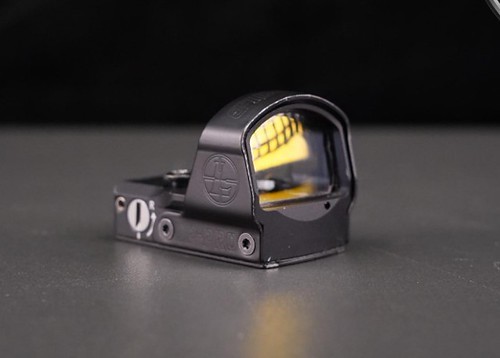
The Leupold Deltapoint Pro is a strong speed optic because the window feels open and easy to pick up. I like it for shooters who want a large sight picture without going to an oversized competition-only look.
Large viewing window
DeltaPoint Pro footprint
Open-emitter design
Top-access battery
Pistol and carbine mounting options
Pros
Very clean sight picture
Fast dot pickup
Convenient battery access
Good for pistols and offset/rail applications
Cons
Different footprint than RMR
Plate compatibility must be checked carefully
Taller than some micro pistol optics
My personal experience with the Deltapoint Pro is that the window feels very natural during target transitions. I especially like it when shooting from awkward positions where I may not bring the gun perfectly to my eye line.
Online customer feedback often highlights the wide window, easy battery access, and fast acquisition. The most common compatibility issue is simply making sure the pistol or plate supports the DeltaPoint Pro footprint.
For mounting, this optic uses the DeltaPoint Pro footprint. It mounts directly only to slides or mounts cut for that pattern. If your pistol is RMR-cut or uses a modular plate system, you need the correct DeltaPoint Pro plate or adapter.
➤➤➤ Click Here to Check Price on Amazon➤➤➤ Click Here to Check Price on OpticsPlanet➤➤➤ Click Here to Check Price on EuroOptic
Sig Sauer Romeo3
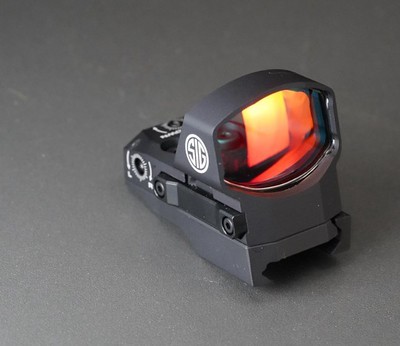
The Sig Sauer Romeo3 is a good fit for action shooting builds where speed and visibility are the priority. I see it as more of a competition-style optic than a compact carry optic.
Open-emitter red dot
Competition-friendly window
Common on race-style setups
Suitable for pistols, PCCs, and carbines with the right mount
Designed for fast target acquisition
Pros
Fast window for competition use
Good option for open-style builds
Works well on rail-mounted platforms
Easy to track during recoil
Cons
Mounting compatibility depends heavily on setup
Not as compact as carry optics
May require a specific mount or adapter
My personal experience with optics in this class is that they shine when mounted on a purpose-built competition gun. The Romeo3 gives the kind of open view I want when moving quickly between close targets.
Customer feedback tends to favor its speed and visibility. Shooters usually like it most when they build around it intentionally rather than trying to force it onto an incompatible slide.
For mounting, the Romeo3 does not share the same universal compatibility as RMR-style pistol optics. It may mount directly to compatible SIG-style or competition mounts, but many pistols and carbines require the correct adapter, rail mount, or plate.
➤➤➤ Click Here to Check Price on Amazon➤➤➤ Click Here to Check Price on OpticsPlanet➤➤➤ Click Here to Check Price on EuroOptic
Vortex Venom

The Vortex Venom is my value pick for action shooters who want to get into a red dot without jumping straight into premium pricing. It is not my first choice for the hardest use, but it can work very well for range matches and entry-level competition.
Open-emitter reflex sight
Compact competition-friendly design
Top-load battery
Common adapter support
Suitable for pistols, shotguns, rimfires, and carbines
Pros
Good value
Easy battery access
Lightweight
Practical for beginner action shooters
Cons
Not as rugged as premium optics
Smaller window than larger competition dots
Mounting pattern is not RMR
My personal experience with the Venom is that it is easy to live with. The top battery access is convenient, and the sight picture is usable for local matches, steel shooting, and practice.
Online customer feedback usually praises the price-to-performance ratio and ease of use. More serious competitors may eventually want a larger or tougher optic, but many newer shooters appreciate the accessible cost.
For mounting, the Venom uses its own Doctor/Noblex-style footprint family rather than the RMR footprint. It mounts directly only to compatible cuts or mounts. Most modern optics-ready pistols will need the correct Venom-compatible adapter plate.
➤➤➤ Click Here to Check Price on Amazon➤➤➤ Click Here to Check Price on OpticsPlanet➤➤➤ Click Here to Check Price on EuroOptic
How to Choose the Right Red Dot Sight
For action shooting, I start with window size. A larger window helps when my draw is imperfect, my stance is compromised, or I’m sprinting into a position. That is why optics like the Holosun HE507COMP, Trijicon SRO, and Deltapoint Pro stand out.
Next, I look at the footprint. RMR-pattern optics are usually the easiest to support because so many slides and plates are built around that footprint. DeltaPoint Pro, Venom, and Romeo-style footprints can work very well, but I always confirm the slide cut or plate before buying.
Brightness matters too. Outdoor matches can wash out a weak dot, especially on bright targets. I prefer optics with enough brightness overhead that I can run the dot slightly brighter than “perfect” when speed matters.
Reticle style is personal. I usually like a simple dot for precision, but larger circles or multi-reticle systems can be faster on close targets. For newer action shooters, a circle-dot can help with quicker visual confirmation.
Finally, think about durability versus speed. A big open window is fast, but an enclosed or tougher design may be better for dirty matches, harsh weather, or defensive crossover use. For pure competition, I lean fast. For mixed use, I lean rugged.
FAQs
What is the best red dot for action shooting overall?
My overall pick is the Holosun HE507COMP because it combines a large competition window, flexible reticle options, and broad RMR-style mounting compatibility.
Is the Trijicon SRO better than the RMR for competition?
For pure competition speed, I prefer the SRO because the window is larger and easier to track. For rugged mixed use, I prefer the RMR Type 2.
Do red dots mount directly to all optics-ready pistols?
No. Direct mounting depends on the slide cut. Many pistols require a specific adapter plate, even if they are marketed as optics-ready.
What footprint is best for action shooting?
The RMR footprint is the easiest to work with because it has broad slide, plate, and mount support. That makes compatibility simpler for many shooters.
Is a bigger window always better?
Not always, but for action shooting I usually prefer a bigger window because it helps with speed, transitions, and dot recovery during recoil.
Conclusion
For 2026 action shooting, I would choose the Holosun HE507COMP as the strongest overall red dot because it balances speed, reticle flexibility, and practical RMR-style compatibility better than the rest. The Trijicon SRO is my favorite for a dedicated competition pistol, while the Trijicon RMR Type 2 is the better choice when ruggedness matters. The Leupold Deltapoint Pro and Sig Sauer Romeo3 are excellent speed-focused options, and the Vortex Venom is the practical budget pick for newer competitors.